When you find out you have Stage IV cancer, you don’t just need a doctor; you need a team. Not a group that meets once and gets lost in bureaucracy, but a true alliance of people who understand the science, the systems, and you as a person.
In the first few months after my diagnosis, I spoke to many professionals: functional doctors, naturopaths, integrative oncologists, nutritional therapists, and metabolic researchers. I sought insights that the standard model might have missed. Most were kind, some were confusing, and a few were costly dead ends. Eventually, I found three key people who became the foundation of my care: Dr. Hari Kuhan, Amanda King, and Dr. Isabella Cooper.
Together, they formed what I call my “A-Team.” They helped me create an approach that combined the best of conventional oncology with metabolic, integrative, and naturopathic strategies.

What Each Discipline Means – and Why It Matters
Metabolic Medicine
Metabolic medicine approaches cancer not just as a genetic accident, but as a disease of cellular metabolism – the way our cells use energy. It builds on the Warburg effect, which shows that many cancer cells rely on glycolysis (sugar fermentation) even when oxygen is available.
The goal of a metabolic approach is to starve the disease of its preferred fuel while supporting the rest of the body to function well.
This is where experts like Dr. Isabella Cooper come in. Dr Cooper has a background in nutritional biochemistry and has done research at the University of Westminster. This gave her a solid understanding of metabolic pathways. She helped me turn the theory into real-life actions: using nutrition, fasting, mitochondrial support, and specific repurposed drugs to target cancer metabolism.
Where conventional oncology sees a tumor, metabolic medicine sees a process influenced by diet, exercise, sleep, and oxygenation of cells.
Integrative Oncology
Integrative oncology connects standard medicine with evidence-based complementary care. It’s not about rejecting chemotherapy or immunotherapy; it’s about making those treatments more effective, reducing side effects, and supporting the patient as a whole.
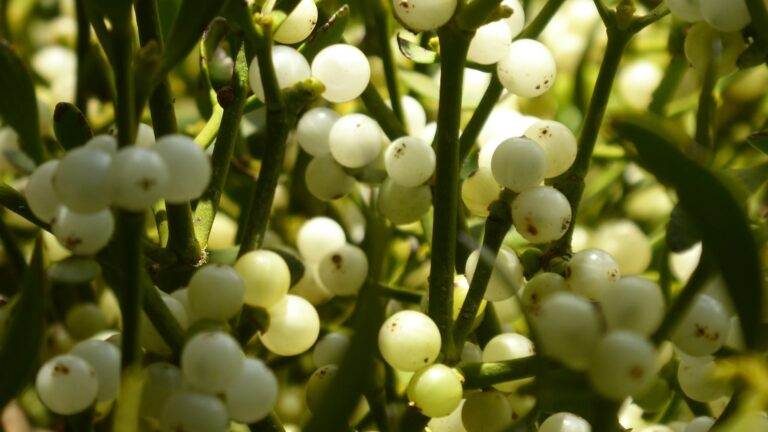
Integrative oncologists are usually medical doctors who recognise the benefits of adjunctive therapies like hyperbaric oxygen, mistletoe injections, repurposed drugs, and targeted supplements. They also understand how to safely combine these with mainstream treatments.
Dr. Hari Kuhan played a vital role in my care. Based in London, he holds an MBBS and a BSc. Hari has an open, data-driven mindset and a solid foundation in both conventional oncology and metabolic strategies. His brilliance is in the details – he knows which off-label medications can safely work together, which supplements to pause during chemotherapy, and how to sequence treatments for the best results.
I had seen what happens when doctors dismiss complementary care as "dangerous" without understanding it. Hari was different. He listened, challenged assumptions, and helped me integrate my approach safely and effectively.
Naturopathy
Naturopathy focuses on the overall environment rather than just the tumor. A good naturopath supports the body’s ability to heal by addressing the factors that led to the disease. This includes detoxification, gut health, hormone balance, immune support, and emotional well-being.
For me, that person was Amanda King, a gifted naturopath and nutritionist who typically recommends a meat-based ketogenic diet. Together, we created a vegetarian version of keto that respected metabolic principles. She guided my macronutrients, helped address nutrient deficiencies, and kept me focused on the basics: minerals, hydration, and finding the right balance between restriction and nourishment.
As I managed medical appointments, fasting, and the constant anxiety, it became crucial to have someone who could view the entire system – digestion, stress, detox organs, and sleep. Amanda served as that anchor.

Where These Worlds Overlap
The beauty – and challenge – of working across these fields lies in their overlaps. Each discipline has its own language, yet the boundaries are flexible.
- Metabolic medicine investigates why cells are using energy inefficiently.
- Integrative oncology examines how to combine treatments safely and effectively.
- Naturopathy asks what conditions allowed the disease to develop.
- When these fields work together, you create a layered plan that addresses:
- Cause (metabolic dysfunction)
- Treatment compatibility (drug, supplement, and therapy sequencing)
- Support (immune, detox, repair, emotional)
That’s what my team built.
Finding Practitioners You Can Trust
One of the toughest parts of this journey is the search for the right people. You’ll meet brilliant minds who struggle to communicate, caring folks who promise too much, and a few opportunists who view cancer as a market.
The key is to find people who are:
- Collaborative – willing to communicate with your other doctors instead of working in isolation.
- Evidence-based but open-minded – guided by data, not rigid beliefs.
- Aligned – they share your goal: a longer, better life, not just a win for philosophy.
I consulted many practitioners. Some told me what they thought I wanted to hear, while others overwhelmed me with jargon. When I met Hari and Amanda everything clicked. I could trust them – not because of their credentials, but because they asked the right questions. They understood that I wanted to live, not just survive.
That alignment matters more than any diploma on a wall.

Why Holistic (and Allistic) Health Matters
At first, I was skeptical of the term holistic. It sounded vague and insubstantial. Over time, I learned that holistic – or, as some now call it, allistic – doesn’t mean unscientific. It means integrated. It acknowledges that everything is connected: the liver to the lymph, the gut to the immune system, the brain to the mitochondria, and the mind to the prognosis.
The goal isn’t to abandon conventional medicine; it’s to complete it. It’s about addressing what’s been neglected and bringing logic where there’s been rigid thinking and curiosity where there’s been resignation..gestion, and a healthier complexion. Those are initial victories in the ongoing battle against cancer.
The goal isn’t to abandon conventional medicine; it’s to complete it. It’s about addressing what’s been neglected and bringing logic where there’s been rigid thinking and curiosity where there’s been resignation.
Building Your Own Support Network
If you’re seeking similar expertise in the UK, here are some starting points. These are not endorsements – just practitioners I’ve talked to, researched, or who have a good reputation within the integrative oncology community. Always verify credentials and discuss any changes with your medical team.
Integrative Oncologists
- Lucio Health
Practitioner: Dr. Hari Kuhan MBBS BSc
Location: 10 Harley Street, London, W1G 9PF
Phone: +44 (0) 20 3023 0909
Email: harikuhan@cancered.co.uk - Vision of Hope Clinic
Practitioner: Dr. Andre Young Snell
Location: Brighton, East Sussex, UK
Website: https://www.visionofhopeclinic.com
Phone: +44 (0)1273 232779
Email: vohc@visionofhopeclinic.com - Dr. Celia Lansley
Location: Bath, England, UK
Email: celia@celialansley.com - Integrated Medicine & Complementary Cancer Therapies
Lead Practitioner: Dr Saskia H. Kloppenburg Vieth
Location: London, England, UK
Website: https://integratedmedicine.co/complementary-cancer-care/ Integrated medicine Clinic - The Forbes Clinic of Integrative Medicine
Practitioner: Jo Gamble (Integrative Cancer Fellow)
Location: London, England, UK (Nationwide via Zoom)
Website: https://www.theforbesclinic.co.uk/integrative-oncology/ theforbesclinic.co.uk+1 - Clinic 158 Glasgow
Location: Glasgow, Scotland, UK
Website: https://www.clinic158.com Integrated medicine Clinic - Quantum Clinic
Practitioner: Dr Aryan Tavvakoli
Location: East Sussex, England, UK
Website: https://www.quantumclinic.co.uk/integrative-cancer-programme/ Quantum Clinic - UCLH Integrated Cancer Care Service
Location: Royal London Hospital for Integrated Medicine, 60 Great Ormond Street, London WC1N 3HR
Website: https://www.uclh.nhs.uk/our-services/find-service/integrated-medicine/integrated-cancer-care-service UCL Hospitals - Sanctura Clinic
Practitioner: Dr. James Laporte
Location: 24 Newman Street, Fitzrovia, W1T 1PH, London
Phone: +44 7908 475028

What I Learned from Building the A-Team
They didn’t always agree, and that’s what made it effective. Progress thrives in the tension between evidence and experience, between caution and innovation. My team respected this space and navigated it with compassion.curacy.
They didn’t always agree, and that’s what made it effective. Progress thrives in the tension between evidence and experience, between caution and innovation. My team respected this space and navigated it with compassion.
If I can offer one piece of advice, it’s this: don’t create a team of yes-people. Build a team of truth-tellers.
People who question, challenge, and refine your plan because they care about the results, not their reputation.
This journey is not a solo endeavor. Healing rarely is.
Conclusion – Collaboration Is the Real Medicine
When I was first diagnosed with Stage IV cancer, I thought there were two options: NHS oncology or alternative medicine. I was mistaken. The real path runs between the two, stemming from the best of both and held together by evidence, curiosity, and trust.
That’s what the A-Team provided me: integration instead of opposition, momentum instead of fear, and the space to transform a prognosis into a plan.
If you’re beginning your journey, remember this: you don’t have to choose between science and understanding. You can have both. You should have both.
If your doctor dismisses “integrative care,” don’t argue; just create your own team.
Sometimes, survival doesn’t mean picking a side. It’s about crafting your own strategy.

Subscribe to stay connected