^This is not medical advice – just the road I chose when someone told me I was palliative only.
Introduction
When the standard playbook ended, I did not. I was told I was palliative only, which is hospital code for: we can ease symptoms, slow things a bit, but we are not aiming to cure. Necessary honesty, but it can also be a psychological full stop. I needed a pause. So, I built a protocol.
Not a magic-bullet protocol. A system. A framework for stacking small, evidence-informed advantages: old drugs used in new ways, timed and sequenced around standard treatment, and tailored to the biology of my tumour. This post maps that system – the pillars, the logic for rotating drugs, how I layered it on top of NHS care, which adjunct therapies I use, a bit on what I retired when it no longer fit (I’ll cover this in more detail in a later post), and the risks I keep in mind.
I will keep doses general for readability and to avoid encouraging self-prescription – I’m also holding a few bits back, as I don’t feel them appropriate for me to share in this medium and due to the potential harm they may cause someone taking them without proper research and oversight.
If you have just received the word palliative and your mind is racing, breathe. You do not have to adopt my protocol. You do not have to adopt any protocol today. But you can adopt an approach: ask better questions, build your map, and keep moving.

Why “off-label” at all?
Off-label simply means using a licensed medicine for a different reason than what it was originally approved for.
In oncology, that often means repurposing widely used, low-cost drugs with well-defined safety profiles to target cancer biology: metabolism, inflammation, blood vessels, immune evasion, cellular recycling, stress signalling. There has been well over a decade of research in this area. Results vary by cancer type, timing, dose, and combinations, and the evidence is a patchwork: laboratory studies, small clinical trials, meta-analyses, and some contradictory findings. But when you are handed a one-road map, it can make sense to broaden your options.
My rule set was simple:
– Use human-licensed medicines with known safety profiles.
– Target multiple factors of cancer at once.
– Prefer combinations backed by plausible mechanisms and human trial data (not anecdotal evidence).
– Coordinate with standard care – wherever possible.
– Test, measure, adjust – including dropping what does not serve, which I did often and ruthlessly.
The six pillars of my protocol
I choose to frame my protocol by function rather than by calendar. The calendar sits underneath these pillars to prevent biological adaptation and to limit cumulative toxicity. Think of the pillars as the “why” and the calendar as the “how”.
Pillar 1 –
Metabolism and growth control:
Metformin – A long-standing diabetes drug that reduces insulin and IGF-1 signalling and activates AMPK, which can lower cellular growth signals. The anticancer literature is large and mixed, with stronger observational signals in some gastrointestinal cancers and a mechanistic rationale that continues to be explored. This anchored my metabolic pillar.
Sulfasalazine – An anti-inflammatory that can modulate NF-kB and may influence cystine transport in certain contexts. I used it as part of a broader inflammation control strategy, with a key operational rule: I paused it during chemotherapy weeks to avoid unwanted interactions.
Aspirin – Low-dose antiplatelet therapy – personally, I break an Alka-Seltzer in half and have that daily – is not glamorous, but platelets help metastasis by cloaking circulating tumour cells, aiding their attachment, and promoting new blood vessel growth. The prevention and adjuvant literature is not uniform, but the mechanistic case is strong enough that aspirin earned a spot in my plan.
Propranolol – A non-selective beta-blocker that reduces catecholamine signalling. Chronic stress hormones can help tumors migrate and invade. Early trials and preclinical work suggest propranolol can also enhance immunotherapy (not least the pembrolizumab I am currently on) in some cases. For a patient, it also raises a helpful question: what if your nervous system is a lever worth pulling?
Research notes for self-study: see citations on metformin, aspirin, and propranolol at the end of the post.
Pillar 2 –
Immune modulation and terrain:
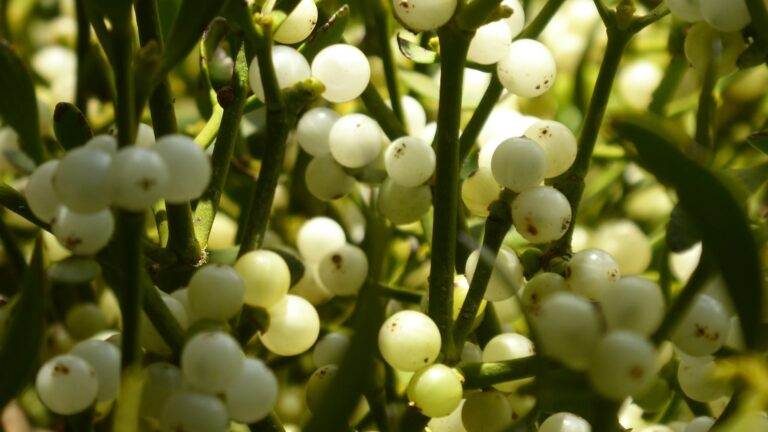
Mistletoe therapy – I receive subcutaneous mistletoe through the National Centre for Integrative Medicine (NCIM) in Bristol, where the service is meant to complement – not replace – standard care. My rationale was driven by quality of life and immune tone rather than direct tumour attack. Evidence is strongest for symptom relief and quality of life, with variation across products and studies. I chose to proceed, measure, and continue because it helped me feel more human.

You can learn more on the NCIM mistletoe page here
Cannabis-based medicines – I use CBD-dominant oil in the morning for function and THC-dominant oil in the evening for sleep. I source through Curaleaf here in the UK to stay within the legal, regulated pathway and ensure consistent product and clinician oversight. If you are exploring this, work with a specialist prescriber and a regulated pharmacy such as Curaleaf, don’t try and source from your local hoodie, it’s not the same.
This pillar is partly science, partly sanity. Sleep and pain control are not luxuries; they are essential for any protocol to be sustainable.
Pillar 3 –
Inflammation and the microenvironment:
Celecoxib – A COX-2 inhibitor used for years in treating arthritis. COX-2 is overexpressed in many tumours and is linked to new blood vessel growth and invasion. Preclinical and some clinical data suggest celecoxib can reduce tumour growth and improve the effect of other therapies. Evidence is not uniformly positive across cancers, but the biology made sense for me.
Cimetidine – Cimetidine has old and recent data suggesting a survival benefit in some colorectal cancer subsets when used around surgery, potentially through immune modulation.
Pantoprazole – Stomach acid drugs in the oncology field can divide opinions. Proton pump inhibitors like pantoprazole are more complicated: they can change tumour acidity – which might help, especially in the context of chemo efficacy – but they may also affect the absorption and effectiveness of some other anticancer drugs, with mixed preclinical data available. My approach was careful use, in defined windows, rather than automatic.
Research notes for self-study: see celecoxib, cimetidine, and PPI references at the end.

Pillar 4 –
Antiparasitic’s repurposed
Fenbendazole, Mebendazole, and Ivermectin – Contrary to the multiple Tik Tok influencers touting dog meds as a cure, cancer isn’t caused by parasites – Anthelmintics, used for intestinal worms, have mechanisms that overlap with cancer weaknesses: disrupting microtubules, interfering with glucose uptake, WNT β-catenin pathway modulation, and more. The data is mainly preclinical with occasional case reports and early translational work.
I am cautious here – interested and researched enough to use them, but not evangelical – and I cycle them instead of using them continuously.
Research notes for self-study: see fenbendazole, mebendazole, and ivermectin references at the end.
Pillar 5 –
Autophagy and resistance
Hydroxychloroquine – Originally an antimalarial and also used in rheumatology, it inhibits autophagy – the cellular recycling system that tumours exploit under stress. Clinical trials have tested hydroxychloroquine with chemotherapy or targeted agents, showing variable results across cancers. For me, it earned a place as a periodic push against resistance.
Doxycycline – An antibiotic, yes – but also a disruptor of mitochondrial functions. Cancer stem-like cells rely on active mitochondria. Doxycycline has been used to disrupt those cells' balance, especially in combination strategies. I treat it as a precise tool rather than a blunt instrument.
Research notes for self-study: see hydroxychloroquine and doxycycline references at the end.
Pillar 6 –
Circadian and endocrine tone
Melatonin – Not the 3 mg you find in places like Cancun airport (being that I’m just back from Mexico). Melatonin at higher doses (50mg+) has a long history in integrative oncology research as an addition that can influence cell death, oxidative stress, blood vessel growth, and treatment tolerance. My goal was twofold: reclaim sleep and exploit melatonin’s various effects in a safe, and (relatively) inexpensive way.
Research notes for self-study: see melatonin references at the end.

Why rotate –
The logic of a 6-week cycle
Very simply; Cancer adapts. So must we. Rather than taking everything every day forever, I built a repeating 6-week cycle with three 2-week blocks. Within each block, I emphasise a subset of different medicines, with specific anchors (mainly metformin, propranolol, melatonin, aspirin and CBD/THC) that run throughout the cycle.
Block 1 –
Inflammation and terrain
A focus on COX-2 inhibition, histamine receptor modulation, and careful, limited PPI use. The goal is to cool the inflammatory microenvironment and adjust acidity in targeted windows, not to rely on acid suppression for the long term.
Block 2 –
Antiparasitic’s and metabolism
Periodic pulses of fenbendazole and ivermectin, with a continued focus on metabolic control from the anchor drugs. The aim is to stress cytoskeleton dynamics and WNT signalling, then step back.
Block 3 –
Autophagy and stemness
Hydroxychloroquine and doxycycline appear, with mebendazole providing a lighter touch on microtubule interactions. The goal is to target areas where tumours hide – recycling, mitochondria, and stem-like cells – without overloading the liver year-round.
Throughout all blocks, I maintain metabolic control, antiplatelet action, and circadian support. I also include planned rest days – because us humans are not lab samples, and families need you present.

Integrating with NHS care
This is not a tale of rejecting the NHS. It is about building on it. I paused certain drugs during chemotherapy weeks to avoid negative interactions. I informed clinicians where appropriate – or at least tried to, when they’d listen.
I accepted scans, blood tests, and the many quiet acts of care from nurses who kept me safe. When you add complexity, you owe the system clarity. Even if a clinician disagrees with your choices, they still deserve a clear medication list and a patient who understands the trade-offs.
Two practical tips:
- Run interaction checks with an integrative oncologist, or a pharmacist trained in oncology. Pay for it privately if you must.
- Set written rules for pauses and restarts around surgery, chemotherapy, and immunotherapy. The goal is synergy – or at least neutrality – not accidental sabotage.
Adjuncts that make the protocol tolerable
Beyond the pure “medicines”, I use two adjuncts to stabilise sleep, pain, and quality of life so that the rest is even possible:
Curaleaf CBD THC oils – CBD-forward in the morning for function, THC-forward in the evening for sleep. UK legal, specialist prescribed, dispensed via regulated pharmacy. I use them because being awake at 3 am worrying is not a performance enhancer. You can learn about the regulated route through Curaleaf Clinic here. – I’ve got no affiliation etc. They’re just the best, in terms of quality and consistency, I found after trialling a few.
Mistletoe at NCIM Bristol – supervised, integrated with standard care, and focused on quality of life and immune tone. Explore their mistletoe therapy information here.

Evolving the stack –
What I dropped and why:
I am not emotionally attached to any single drug. Amongst many others, I have previously tried things like low-dose naltrexone (LDN) as part of a broader anti-inflammatory and immune modulation idea. It did not align with my tumour’s next-generation sequencing (NGS) profile and, more importantly, it did not affect my clinical outcomes. So, I retired it. That is not a universal verdict on LDN. It is a case for humility and adaptation.
If the biology does not match, or the blood tests wobble, or the side effects outweigh the benefits – I change the plan. Dogma is not a treatment.
Risks, realities, and how I manage them
Evidence variation – A repurposed drug might have strong preclinical support but limited or conflicting clinical data. I read widely, then choose wisely.
Drug interactions – PPIs, for instance, can reduce the absorption of some targeted therapies. Beta-blockers and aspirin are not to be taken lightly. Autophagy inhibition can have opposing effects depending on the context. This is why I rotate, pause around key treatments, and involve pharmacists.
Side effects – Even “benign” drugs can cause harm. I use lab tests, symptom diaries, and a willingness to stop if needed.
Opportunity cost – Every pill you add takes space from something else. My bias is towards the smallest effective set.
Ethics – I do not sell false hope. I promote honesty: this is one person’s rational experiment in staying alive for his children. It will evolve as the data changes. It is not a challenge for you to follow – you need to do your own research and find what works for you and your cancer, not mine.
Closing, the protocol as an act of agency
People sometimes ask what changed my cancer treatment for the better. There was not just one thing. There was a mindset: believe there is always more to learn and then test that knowledge.
There was a system: addressing each pillar, one by one, while engaging with traditional care.
And, I refused to let the word palliative carry more weight than it should.
If you are on this journey, start with one question: which pillar could make the biggest impact on your situation right now – metabolism, inflammation, stress signalling, immune function, autophagy, or sleep? Then ask your team how to tackle it safely. You don’t need my protocol. You need your own.
I just hope this helps you create it.
A final note on safety and coordination
Please make sure you work with clinicians and pharmacists to check interactions, especially with PPIs, anticoagulants, immunotherapy, and targeted agents. Practical reviews exist for oncologists on PPI drug interactions and efficacy considerations – PMC
References and Further Reading
Drug repurposing and strategy
– Al Khzem AH, et al. Drug Repurposing for Cancer Treatment. 2024. https://pmc.ncbi.nlm.nih.gov/articles/PMC11595001/
Metformin and cancer
– Wang Y, et al. Mapping the current research landscape of metformin in oncology. 2025. https://pmc.ncbi.nlm.nih.gov/articles/PMC12339854/
– Pal RS, et al. Metformin’s anticancer odyssey: multifaceted mechanisms. 2025. https://www.sciencedirect.com/science/article/pii/S0300908425000562
– Liu P, et al. Metformin and digestive system cancers: Mendelian randomisation. 2025. https://dmsjournal.biomedcentral.com/articles/10.1186/s13098-024-01573-9
Aspirin, platelets and metastasis
– Yang J, et al. Aspirin prevents metastasis via platelet TXA2-T cell axis. Nature, 2025. https://www.nature.com/articles/s41586-025-08626-7
– Elwood P, et al. Aspirin and cancer treatment: systematic reviews and meta-analyses. 2024. https://www.nature.com/articles/s41416-023-02506-5
– Lichtenberger LM, et al. Are platelets the primary target of aspirin’s anti-cancer effects? 2019. https://pmc.ncbi.nlm.nih.gov/articles/PMC6679799/
Beta blockers, stress signalling and immunotherapy
– Zhang F, et al. Impact of beta blockers on cancer neuroimmunology. 2025. https://www.frontiersin.org/journals/immunology/articles/10.3389/fimmu.2025.1635331/full
– O’Logbon J, et al. Does propranolol have a role in cancer treatment? 2025. https://pmc.ncbi.nlm.nih.gov/articles/PMC12255574/
– Sharma AE, et al. The impact of beta blockers on survival in cancer patients. 2025. https://pmc.ncbi.nlm.nih.gov/articles/PMC12026060/
Autophagy inhibition – hydroxychloroquine
– Jain V, et al. Recent advances in targeting autophagy in cancer. 2023. https://pmc.ncbi.nlm.nih.gov/articles/PMC10106406/
– Goenka L, et al. HCQ plus chemotherapy in platinum-sensitive relapsed ovarian cancer – randomized phase II. 2025. https://pmc.ncbi.nlm.nih.gov/articles/PMC11839959/
– Raghavendra AS, et al. Phase I HCQ to enhance palbociclib-letrozole. 2025. https://www.nature.com/articles/s41523-025-00722-1
Cancer stemness and mitochondrial targeting – doxycycline
– Scatena C, et al. Doxycycline reduces cancer stem cells in early breast cancer patients. 2018. https://pmc.ncbi.nlm.nih.gov/articles/PMC6194352/
– Zhang L, et al. Doxycycline inhibits the cancer stem cell phenotype. 2016. https://pmc.ncbi.nlm.nih.gov/articles/PMC5405729/
– De Francesco EM, et al. Vitamin C plus doxycycline – synthetic lethal strategy in CSCs. 2017. https://www.oncotarget.com/article/18428/text/
COX-2 inhibition – celecoxib
– Ye SY, et al. Efficacy and safety of celecoxib added to standard cancer therapy: meta-analysis of RCTs. 2022. https://pmc.ncbi.nlm.nih.gov/articles/PMC9497539/
– Mostafa TM, et al. Celecoxib as an adjuvant in metastatic colorectal cancer. 2022. https://pmc.ncbi.nlm.nih.gov/articles/PMC9280566/
– Harris RE. Opinion – celecoxib in breast cancer. 2022. https://www.frontiersin.org/journals/oncology/articles/10.3389/fonc.2022.958308/full
H2 blockade and PPIs – cimetidine and pantoprazole
– Kelly MD, et al. Randomized trial of preoperative cimetidine in colorectal cancer. 1999. https://pubmed.ncbi.nlm.nih.gov/10223557/
– Matsumoto S, et al. Cimetidine increases survival of colorectal cancer patients. 2002. https://pmc.ncbi.nlm.nih.gov/articles/PMC2375187/
– Pantziarka P, et al. ReDO – cimetidine as an anti-cancer agent. 2014. https://ecancer.org/en/journal/article/485-repurposing-drugs-in-oncology-redo-cimetidine-as-an-anti-cancer-agent
– Ciappina G, et al. PPI use and survival with immune checkpoint inhibitors – systematic review and meta-analysis. 2025. https://pmc.ncbi.nlm.nih.gov/articles/PMC12248532/
– Zhang L, et al. PPIs and outcomes in urothelial cancer receiving ICIs – meta-analysis. 2022. https://www.frontiersin.org/journals/pharmacology/articles/10.3389/fphar.2022.1018411/full
Anthelmintics – ivermectin, mebendazole, fenbendazole
– Zhou S, et al. Ivermectin – colorectal cancer preclinical study. 2021. https://www.frontiersin.org/journals/pharmacology/articles/10.3389/fphar.2021.717529/full
– Rujimongkon K, et al. Ivermectin inhibits WNT signalling and EMT in endocrine-resistant breast cancer. 2025. https://pubmed.ncbi.nlm.nih.gov/40569965/
– Zhao X, et al. Blocking WNT/β-catenin in cancer – includes ivermectin data. 2024. https://www.sciencedirect.com/science/article/pii/S2405844024120208
– Meco D, et al. Emerging perspectives on mebendazole in cancer. 2023. https://pmc.ncbi.nlm.nih.gov/articles/PMC9862092/
– Pantziarka P, et al. ReDO – mebendazole as an anti-cancer agent. 2014. https://ecancer.org/en/journal/article/443-repurposing-drugs-in-oncology-redo-mebendazole-as-an-anti-cancer-agent
– Nguyen J, et al. Oral fenbendazole for cancer therapy in humans and animals – review. 2024. https://ar.iiarjournals.org/content/44/9/3725
– Chang CS, et al. Fenbendazole-incorporated PLGA nanoparticles – ovarian cancer models. 2023. https://ejgo.org/DOIx.php?id=10.3802%2Fjgo.2023.34.e58
– Wang X, et al. Transcriptome analysis reveals anticancer effects of fenbendazole in ovarian cancer cells. 2024. https://bmccancer.biomedcentral.com/articles/10.1186/s12885-024-13361-9
– Makis W, et al. Fenbendazole as an anticancer agent? Case series and review. 2025. https://pmc.ncbi.nlm.nih.gov/articles/PMC12215191/
Melatonin in oncology
– Talib WH, et al. Melatonin in cancer treatment – current knowledge and future steps. 2021. https://pmc.ncbi.nlm.nih.gov/articles/PMC8123278/
– Cao Y, et al. Melatonin – a natural guardian in cancer treatment. 2025. https://pmc.ncbi.nlm.nih.gov/articles/PMC12314884/
– Reiter RJ, et al. Melatonin and vitamin D as potential synergistic adjuvants. 2024. https://www.spandidos-publications.com/10.3892/ijo.2024.5702
– Seely D, et al. Adjuvant melatonin – recurrence and survival meta-analysis. 2021. https://www.thelancet.com/journals/eclinm/article/PIIS2589-5370(21)00043-2/fulltext
Mistletoe – evidence and service
– Loef M, Walach H. Quality of life in cancer patients treated with mistletoe – systematic review and meta-analysis. 2020. https://pmc.ncbi.nlm.nih.gov/articles/PMC7370416/
– Pelzer F, et al. Cancer-related fatigue and mistletoe – meta-analysis. 2022. https://link.springer.com/article/10.1007/s00520-022-06921-x
– Cogo E, et al. Mistletoe extracts during oncological perioperative period – systematic review and meta-analysis. 2023. https://www.mdpi.com/1718-7729/30/9/595
– NCI PDQ – Mistletoe Extracts (Health Professional Version). 2024. https://www.cancer.gov/about-cancer/treatment/cam/hp/mistletoe-pdq
– NCIM Bristol – Mistletoe Patient Information PDF. https://ncim.org.uk/wp-content/uploads/2025/02/NCIM-Mistletoe-Therapy-Patient-Information-Feb25.pdf
Medical cannabis (UK regulated route)
– Curaleaf International – Medical cannabis clinics overview. https://curaleafinternational.com/services/medical-cannabis-clinics/
Subscribe to stay connected