Introduction
If you’ve ever explored “natural cancer cures” online, you’ve likely encountered soursop, also known as graviola or guanabana. It’s often described as a miracle fruit that can “kill cancer cells.”
It’s an intriguing claim. It’s exotic and appears everywhere on Amazon, usually as tinctures, capsules, or powdered leaves.
But here’s the truth: I don’t take soursop (except as a guanabana ice cream in mexico). And here’s why.

The Fruit vs. the Supplements
First, let’s distinguish the actual fruit from the products sold online.
- The fruit: Soursop is a tropical fruit commonly eaten in Latin America and the Caribbean. It’s rich in vitamin C, fiber, and antioxidants, like many fruits. As a food, it’s fine – and also very tasty.
- The tinctures and capsules: These often contain extracts from soursop leaves or seeds, not the fruit itself. That’s where the claims about cancer come into play.
What the Evidence Actually Says
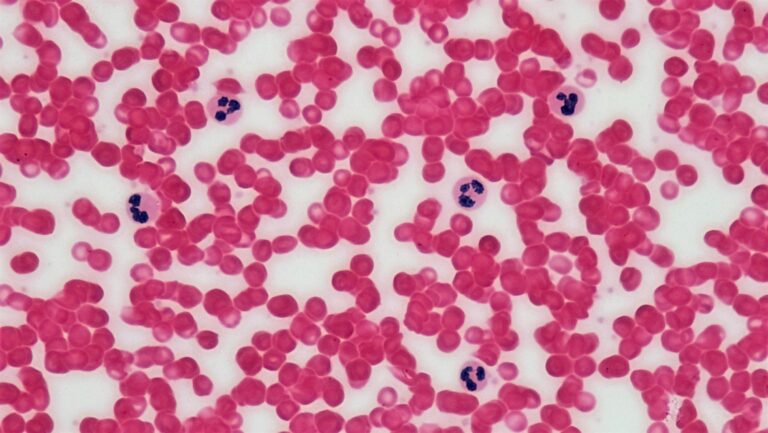
Lab studies using test tubes and petri dishes have found that certain compounds in soursop leaves, called annonaceous acetogenins, can kill cancer cells. This sounds promising until you look closer:
- No large human trials: There isn’t strong clinical evidence that soursop extracts treat cancer in people.
- Toxicity risks: The same compounds that kill cells in a lab may cause nerve damage in humans. In areas where soursop is consumed heavily, there are higher rates of unusual Parkinson’s disease and movement disorders.
- Unregulated supplements: The products you find on Amazon aren’t regulated like medicines. Their quality, dose, and purity can vary greatly.
In short, what seems promising in lab tests doesn’t always mean it’s a safe and effective treatment in real life.

Why I Avoid It
After my diagnosis, I felt drawn to anything that promised hope. But hope without evidence is misleading.
I don’t take soursop because:
- The evidence in humans isn’t available.
- The risks of neurotoxicity are genuine.
- Safer, tested alternatives exist.
Better Alternatives
If you’re looking for anti-cancer support, there are options with stronger scientific backing and better safety profiles:
- Curcumin with piperine: A strong anti-inflammatory studied in cancer treatment.
- Sulforaphane (from broccoli sprout extract): Activates the Nrf2 pathway and helps detox enzymes.
- High-dose vitamin C (IVC): At medical levels, it creates oxidative stress that selectively targets tumour cells. Just make sure to get a G6PD test beforehand – this checks if you have a genetic deficiency that could make the vitamin C harmful.
- Mistletoe therapy: Common in integrative cancer treatment in Europe, with safety and effectiveness data.
- Lifestyle changes: A ketogenic diet, fasting, breathwork, and exercise all have clinical support for improving health and resilience.
You can find a list of the top 10 supplements I recommend everyone should be taking – cancer patient’s or more generally – on my recent blog on supplements.
These aren’t miracle cures either, but they are supported by solid evidence, not just stories and lab results.
Conclusion
Soursop the fruit? Delicious. If you find it at a market, enjoy it as part of a balanced diet.
Soursop tinctures and capsules claiming to “cure cancer”? That’s where I draw the line. The evidence doesn’t support those claims, and the risks outweigh the excitement.
When you’re facing cancer, every choice counts. For me, that means avoiding what seems appealing on social media and focusing on what stands up to examination.
My challenge to you: next time you see a “miracle cure” online, ask – does this have evidence in humans, or just in a lab? And what risks might be hidden behind the hope?
Subscribe to stay connected