Introduction
Every morning (outside of my IVC + HBOT Kill phases – which you can learn more about here), I drink “upgraded” water. I’m not talking about fancy spring water from a nice bottle or water that’s alkaline, ionised, vortexed, or blessed by a monk on social media. I just mean plain old H₂O, with a little extra H₂.
Hydrogen water.
It sounds like one of those health trends you see online between coffee enemas and soursop ads – see my thoughts on soursop here.
But here’s the deal: unlike many wellness fads, the science behind this one actually holds up.
I drink about 1 to 1.5 liters every day from my Echo Hydrogen Pitcher. I don’t claim it’s a miracle cure. I can’t point to a dramatic “before and after.” But I believe it helps me with energy, digestion, and keeping inflammation in check. When you’re stage IV, those aren’t minor benefits.

So let’s break this down – What is hydrogen water, why does it matter, and what does the science really say…
What Exactly Is Hydrogen Water?
Hydrogen water is simply water infused with extra molecular hydrogen (H₂). That’s it – no minerals, no magic. Just more of the simplest element in the universe dissolved into your drink.
The trick is that hydrogen acts as a selective antioxidant – hence why I avoid my pro-oxidant stints with BOT and IVC. Unlike generic “antioxidant blends” that indiscriminately eliminate all free radicals, hydrogen targets the more harmful ones – particularly hydroxyl radicals (•OH), which can severely damage DNA, proteins, and membranes.
In other words, hydrogen doesn’t overwhelm your body’s natural signaling. It helps regulate redox balance without disrupting the system.
The Science: Why Hydrogen Water Matters
1. Redox Signalling and Oxidative Stress
Hydrogen neutralises toxic free radicals like hydroxyl radicals while leaving beneficial ROS (like superoxide and hydrogen peroxide) alone.
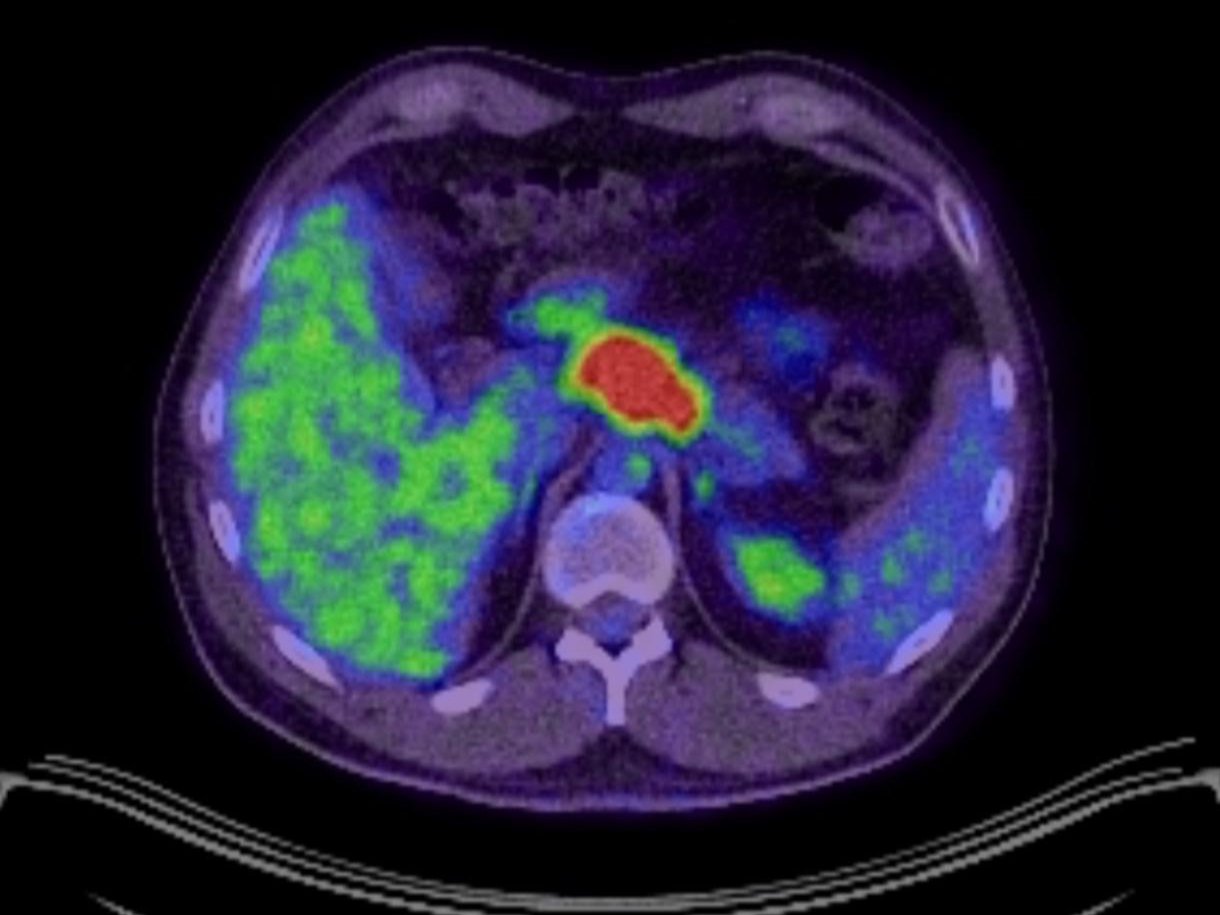
This is significant in cancer, where oxidative damage fuels DNA harm, chronic inflammation, and resistance to treatments.
2. Mitochondrial Function
Mitochondria are both the powerhouse and the battleground in cancer.
Studies show that hydrogen improves mitochondrial efficiency, reduces ROS leakage, and helps cells use oxygen more effectively.
In simple terms: it means more energy for healthy cells and less disruption for harmful ones.
3. Inflammation Modulation
Chronic inflammation plays a role in nearly every long-term illness – cancer, heart disease, neurodegeneration.
Hydrogen water has shown in small studies to lower inflammatory cytokines, reduce NF-κB signaling, and bring down C-reactive protein levels.
4. Gut Microbiome Effects
Early research indicates that hydrogen water might support healthy gut bacteria and reduce inflammation linked to dysbiosis.
Since a large part of your immunity is in the gut, this is important.
5. Exercise Recovery and Fatigue
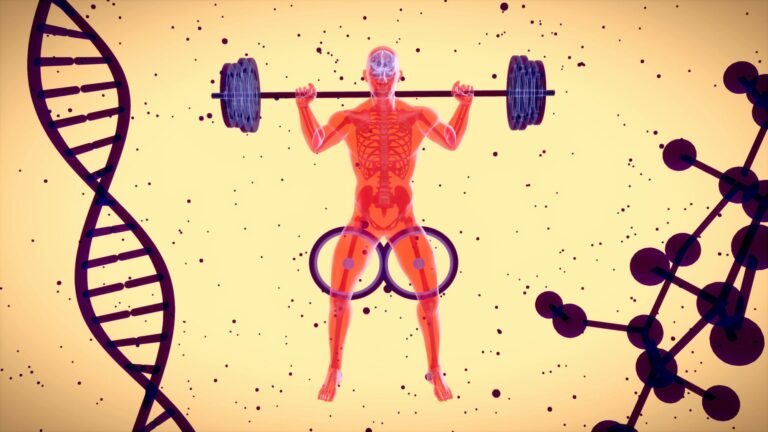
Athletes who use hydrogen water report less lactic acid build-up, quicker recovery, and better VO₂ max. For cancer patients who constantly battle fatigue, that’s worth noting.

Where the Evidence Stands
Hydrogen water isn’t a miracle cure – but it’s not nonsense either.
- Small clinical studies have shown benefits in metabolic syndrome, rheumatoid arthritis, and Parkinson’s disease.
- Animal studies suggest promise in cancer, radiation damage, and neurodegeneration.
- Meta-analyses conclude that hydrogen is safe, well tolerated, and biologically active – but larger, longer human trials are still needed.
The consensus: promising, plausible, but not yet proven. This phrase is familiar in the field of integrative oncology.
Why I Added It to My Protocol
When you hear your cancer is incurable, you start examining every daily choice. The water I drink, cook with, and shower in – all came under scrutiny. Installing a whole house filter removed toxins. Hydrogen water was the next step – not just “removing the bad,” but also adding something beneficial.
My routine is straightforward: I keep an Echo Hydrogen Pitcher on the counter. I also use an Optimal Health portable hydrogen water bottle when I’m out or travelling. If you want a larger system, a countertop hydrogenator is a great bet. Or, if cost is a factor, there are cheaper alternative pitcher’s on the market, that can do the same job.
I drink around 1 to 1.5 liters daily. No fanfare, no instant “health boost.” Just quiet, steady support.
It’s not a cure. But it’s one more way I try to improve my odds.
The Negatives and Caveats
- Evidence gap: Although the science is solid at a mechanical level, human trials are still small and limited.
- Hype risk: Marketers oversell it as a miracle cure. It isn’t.
- Cost: Devices can be expensive, though using them long-term can be more economical than buying bottled products.
- Not a substitute: Hydrogen water can’t replace proper nutrition, metabolic therapies, or standard care. It’s an addition.

Where It Fits in the Bigger Picture
To me, hydrogen water isn’t about magic; it’s about small improvements.
Cancer thrives on imbalance – oxidative stress, inflammation, mitochondrial issues. Hydrogen helps bring the system back toward balance without forcefully disrupting it like some treatments do.
It’s also about control. Every glass I drink feels like a small, intentional act of defiance. A reminder that even when the overall situation looks bleak, the details are important.
Conclusion
Hydrogen water isn’t glamorous. It won’t turn you into a superhero overnight. But it’s based on real biochemistry, safe, and – in my view – worth the investment.
I drink it daily because it gives me one more option. And in the stage IV world, options matter.
My challenge to you: next time you pour a glass of water, consider – could it be doing more than just keeping you alive?
Subscribe to stay connected