If January was about surviving, early February was about endurance.
Things weren’t getting better yet. That’s the part people dislike hearing. There was no cinematic turnaround, no sudden burst of energy, no moment when I sat up in bed and thought, Ah. This is working. Instead, I faced pain, repetition, discipline, and the slow, tedious work of following a protocol before seeing any results.
The first two weeks of February felt anything but hopeful in the Instagram sense. They were hopeful in a quieter, more unsettling way – the kind where you fully commit to something without proof it will succeed, because doing nothing and waiting to suffer is not an option.
By then, I had crossed an invisible line. The full protocol was underway. The off-labels had started at the end of January. I had set my routines. The structure was in place.
Now I had to live within it.

Pain Was Still the Main Character
Pain didn’t step aside just because I had done my homework.
My oesophagus still felt like it was wrapped in barbed wire. Swallowing was really hard work – not just uncomfortable, but something that required actual planning. Meals weren’t meals anymore; they were strategic exercises in risk and damage control.
Solid food often wasn’t an everyday option. Vegetarian keto when you can’t swallow properly is… interesting! There were days when I’d chew something and then stop halfway through, knowing that finishing it would mean lying on the floor for an hour (or shocking as it won’t go down) whilst my nervous system broke down.
So I, and Ana on my behalf too, adjusted. I juiced. I blended. I thinned things down until they barely resembled food at all. It wasn’t glamorous, but it was fuel, and fuel was essential. Calories were no longer a pleasure or a social act – they were a tactical necessity. Especially when you consider that I was then 52kg (over 8st, or 115lb for my US based friends) down from my starting weight of c.120kg.
Pain wasn’t just in my throat either. There were days when it settled deep in my chest and abdomen, a dull, relentless pressure that flared up unpredictably. One of those flares sent me back to A&E (the British version of an ER) early in the month. When you’re already at the limit of tolerance, even a small increase can lead to something unmanageable.
Hospitals, by this time, felt grimly familiar. The lights. The waiting. The uncomfortable gurney’s. The sense of being temporarily stored rather than treated. Pain management was the focus – not fixing the cause, just lowering the volume enough to send me home again.
I didn’t resent it. I understood the limits of the system. But it reinforced what I already knew: if I was going to survive this, it wouldn’t be because I regularly visited A&E. It would be because I created something sustainable outside of it.
The Routine Became the Point
By early February, the routine wasn’t optional anymore. It was the backbone holding everything together.
Every day, I woke up and followed the same pattern, not out of some monk-like sense of discipline, but because chaos had nearly defeated me and structure was the remedy.
Fasting windows were consistent.
HBOT sessions were regular.
Breathwork happened even on days I didn’t want to breathe at all.
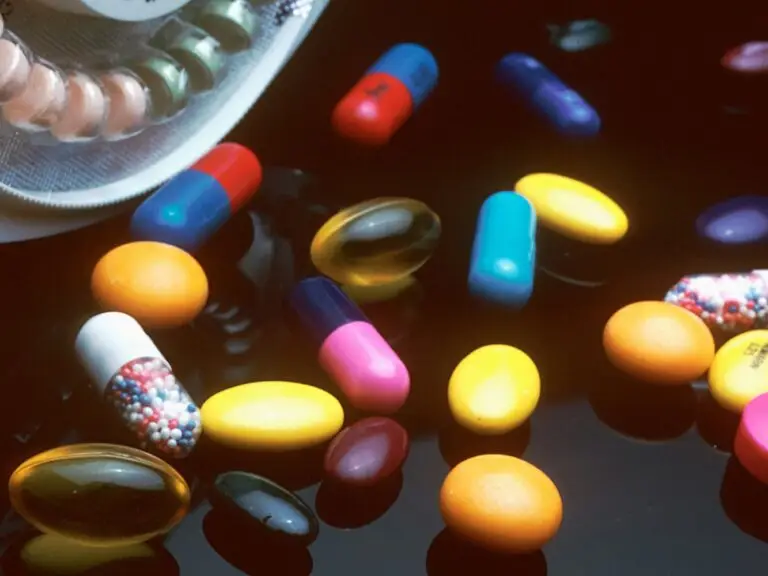
Red light, PEMF, supplements, off-label meds – all fit into their spots.
None of it felt heroic. It felt repetitive. Boring, even. But repetition is how biology changes. Cells don’t react to motivation; they react to their environment.
A psychological shift occurs when a protocol changes from being aspirational to operational. In January, everything felt theoretical – something I was trying. By February, it became something I was doing, regardless of how I felt.
Painful days didn’t cancel the routine.
Poor sleep didn’t cancel the routine.
Fear didn’t cancel the routine.
If anything, fear sharpened it.

Dark Humour as a Survival Tool
I’ve said before that if dark humor were a supplement, I’d be overdosing (As would many other patients in a similar position).
Early February was filled with it.
When your life turns medical – when you’re managing chemo side effects, off-label drugs, pressure chambers, IVs, fasting windows, and pain scales – humour serves as a safety valve. Not denial. Not minimisation. Just relief.
I joked about my house looking like a low-budget sci-fi set.
I joked about my veins being “selectively cooperative.”
I joked about juicing being my new culinary milestone.
I joked about Dave (my tumour), as always, because naming your cancer something boring feels oddly empowering.
Dark humor doesn’t mean you’re not scared. It means you’re scared yet functional.
And I needed to stay functional.
The Subtle Shift Nobody Notices at First
Here’s the tricky thing about early February: nothing improved, but some things felt less chaotic.
My energy wasn’t good – but it was stabilising.
Pain was still present – but slightly more predictable.
My days weren’t easier – but they were structured.
That distinction matters.
In January, everything felt like it was happening to me. By February, even with the same symptoms, I felt like I was at least partaking in the process rather than being dragged through it.
That’s where the first hints of hope come in – not as optimism, but as agency.
I still didn’t trust my body. I still didn’t trust the path ahead (I’m still not sure I do, even now). I certainly didn’t believe I could outsmart a stage IV diagnosis in just weeks. But I trusted the process enough to keep moving forward.
And sometimes, that’s all you get at this stage: enough trust to show up again tomorrow.

Fear Didn’t Leave – It Just Changed Shape
People assume fear disappears when you “take control.”
It really doesn’t!
It changes from a loud, panicked scream into a quieter, more constant and heavy presence. Fear became something I carried rather than something that knocked me down.
Fear of the pain increasing again.
Fear of the protocol not being sufficient.
Fear of false hope.
Fear of being the outlier in the wrong direction.
But alongside it sat determination – not dramatic, not chest-beating, just stubborn. The kind that says, I’ll do this properly before deciding whether it works.
There’s a strange peace in that. When you commit fully, the inner debate quiets. You stop questioning whether you’re doing enough, because you know you are.
Early February was the time when I stopped holding back.
Why Nothing Changed Yet (And Why That Matters)
Here’s the part I wish more people understood.
Metabolic and integrative approaches don’t work like antibiotics. You can’t take them and expect to feel better the next day. You are reshaping the bodies entire landscape – oxygenation, inflammation, immune signalling, mitochondrial stress – and that takes time.
During those first two weeks, I didn’t expect to see improvement. I expected loading.
Loading the system.
Applying pressure.
Letting biology catch up.
That’s uncomfortable. It requires patience in a body that’s already worn out. It asks you to tolerate uncertainty while doing a lot of hard, unpleasant things daily.
But this is where many people often give up. Not because it isn’t working – but because it hasn’t worked yet.
I didn’t give up.

Ana, Steady as Ever
Ana remained a steady presence throughout all of this.
By February, she knew the rhythms of my days better than I did. She knew when to gently push me and when to let me be. She knew when pain was manageable and when it was tipping into something dangerous.
She didn’t ask whether I felt hopeful. She asked whether I’d done what needed to be done.
That sounds harsh. It wasn’t. It was love shown through practicality.
There’s a specific partnership that develops in long-term illness – one where romance takes a back seat to survival, but intimacy deepens in a different way. We were in that phase now. Less talking. More understanding.
Foreshadowing, Without Knowing It
Looking back, I see that early February was the loading dock.
The work was being put in.
The pressure was being applied.
The environment was shifting.
I didn’t feel it then. At the time, it just seemed like grinding through another set of days where pain, fear, and discipline coexisted uncomfortably.
But something was changing beneath the surface. Quietly. Slowly. Biologically.
I just didn’t know it yet.

Holding the Line
If you’re reading this and you find yourself in your own version of early February – the phase where you’ve committed, you’re doing everything right, and nothing seems to improve – I want you to hear this clearly:
- This phase counts.
- It counts even when it’s boring.
- It counts even when it hurts.
- It counts even when hope feels premature.
These are the days that create the conditions for change, even if change hasn’t shown itself yet.
Early February didn’t bring me relief.
It offered continuity.
And sometimes, continuity is the most powerful thing you can hold onto.
Subscribe to stay connected